
Locations
Redcar
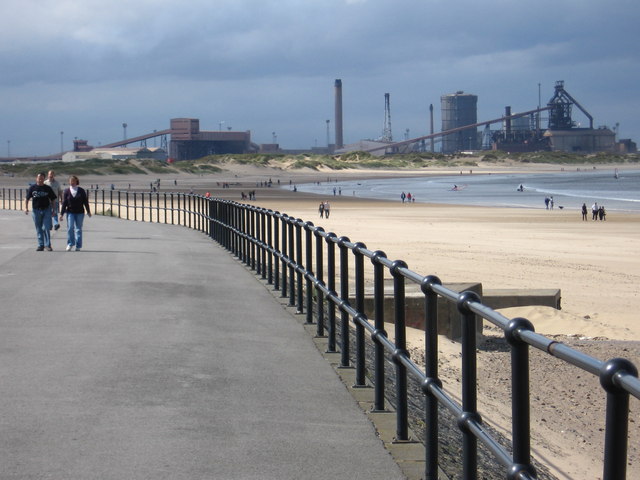
Redcar is a seaside town on the North Sea coast, the administrative centre of the borough of Redcar and Cleveland in the Tees Valley. With its long sandy beach and traditional promenade, it grew into a popular resort during the Victorian and Edwardian eras, when railway connections brought day-trippers and holidaymakers from across the industrial North East.
The town's seafront is dominated by the Redcar Beacon, a striking vertical pier completed in 2013 that offers panoramic views across the coast. Redcar also lays claim to a remarkable piece of maritime heritage: the Zetland, widely regarded as the oldest surviving lifeboat in the world, preserved in a dedicated museum near the front.
Horse racing is another cornerstone of local life, with Redcar Racecourse hosting flat racing throughout the season and drawing crowds from the surrounding region. For much of the twentieth century, however, Redcar was defined by heavy industry. The nearby steelworks were a vast employer, and the enormous blast furnace on the Teesside skyline became a local landmark. The closure of the steelworks in 2015 was a severe blow, ending generations of steelmaking and prompting ongoing efforts at economic regeneration, including plans to redevelop the former industrial site.
Today Redcar balances that industrial legacy with its identity as a coastal town. Investment in the seafront, tourism, and green energy projects along the Tees estuary point toward reinvention, while the wide beach and bracing sea air continue to draw visitors much as they did a century ago.
Jarrow
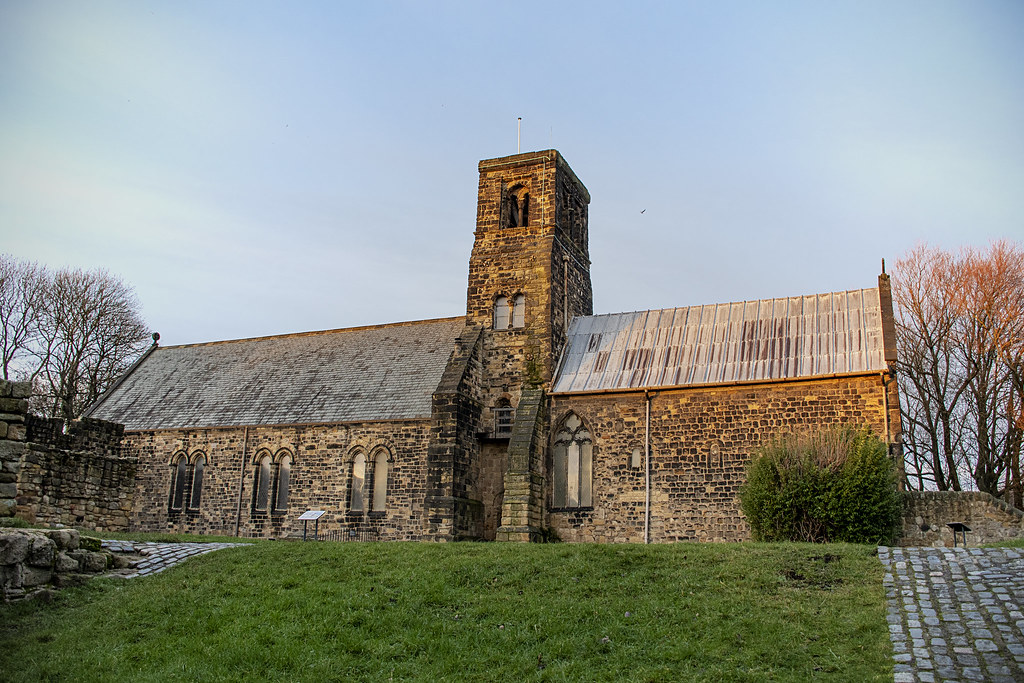
Jarrow lies on the south bank of the River Tyne in South Tyneside, part of the wider Tyneside conurbation. For a small town, it carries an outsized place in English history, and on two very different counts. The first is ancient and scholarly. Jarrow was home to the monastery of St Paul, where the Venerable Bede lived and worked in the early eighth century. Often called the father of English history, Bede wrote his landmark "Ecclesiastical History of the English People" here, and the surviving church and monastic remains, along with the Bede's World heritage site (now Jarrow Hall), keep that legacy alive. It made this corner of the North East one of the great centres of learning in early medieval Europe.
The second claim to fame is far more recent and speaks to hardship rather than scholarship. In 1936, during the depths of the Great Depression, around two hundred men set out from Jarrow to march to London, some three hundred miles away, to protest against the mass unemployment and poverty that gripped the town after its shipyard, Palmers, closed. The Jarrow March, or Jarrow Crusade, became one of the most iconic episodes in British labour and social history, a symbol of dignified protest against industrial decline. Like much of Tyneside, Jarrow's fortunes were long tied to shipbuilding and heavy industry, and it weathered the decline of both. It is served today by the Tyne and Wear Metro and sits beside the Tyne Tunnel.